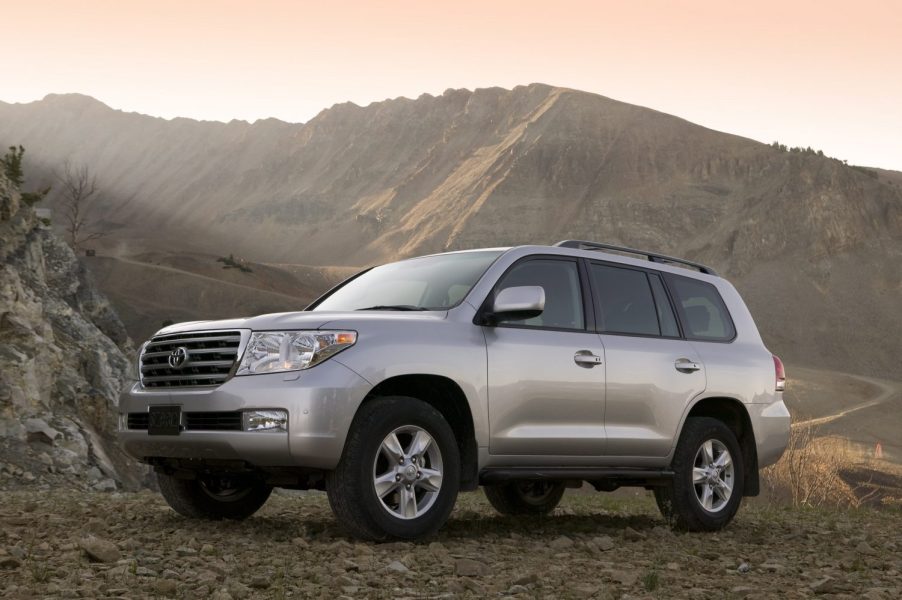
These Are the Toyota Land Cruiser Years to Avoid
The Toyota Land Cruiser is one of the most revered SUVs in automotive history. First introduced to the U.S. market in 1958, the Land Cruiser began as a utilitarian off-road vehicle. Over decades, it transformed into a full-size luxury SUV with a unique blend of rugged durability and refined comfort. Drivers love it for its ability to tackle tough terrain while providing a smooth and luxurious ride for everyday use. Its reputation for reliability and longevity make it a favorite among adventurers, families, and off-road enthusiasts. However, even an SUV as legendary as the Land Cruiser has seen its share of less-than-stellar years. Some model years stand out for reliability issues and lower owner satisfaction, primarily in its modern lifespan. If you’re considering purchasing a used Land Cruiser, here are five model years you may want to avoid.
1999 Toyota Land Cruiser
The 1999 Toyota Land Cruiser is remembered for several frustrating problems that have dampened owner satisfaction. While it retained the model’s signature durability, the following issues stood out:
- Brake System Problems: One of the most significant concerns with the 1999 model was the anti-lock braking system (ABS). Owners reported sudden loss of braking power, especially in wet or icy conditions. In some extreme cases, the brakes failed entirely, posing a major safety risk. These issues often required costly repairs.
- Transmission Failures: Many drivers experienced rough shifting, delayed engagement, or complete transmission failure. Given the high repair costs for Land Cruiser transmissions, this became a significant concern for buyers.
- Unintended Acceleration: Several owners reported instances of unintended acceleration, where the vehicle surged forward without driver input. This alarming issue created potential safety hazards and left drivers wary of the model.
While some of these problems could be addressed through repairs, the cost and inconvenience made the 1999 model less appealing.
2000 Toyota Land Cruiser
Following on the heels of the 1999 model, the 2000 Toyota Land Cruiser carried over some of the same issues and introduced new concerns:
- Powertrain Complaints: Drivers frequently noted issues with the powertrain, including vibrations and unusual noises at higher speeds. These problems were difficult to diagnose and often required expensive repairs.
- Transmission Troubles: Like the 1999 model, the 2000 Land Cruiser suffered from rough shifting and occasional transmission failure. For an SUV that is expected to be a reliable workhorse, this was a significant disappointment for owners.
- Brake Problems: Reports of brake failure or poor braking performance continued into the 2000 model year. For an SUV designed for off-road adventures and family trips, this undermined driver confidence.
Despite its other strengths, the recurring mechanical issues make the 2000 Land Cruiser a year to avoid for used buyers.
2002 Toyota Land Cruiser
Although Toyota addressed some earlier problems, the 2002 Land Cruiser still had several significant flaws that reduced its appeal:
- Vehicle Speed Control Issues: One of the most alarming complaints involved unintended acceleration. Drivers described situations where the SUV surged forward unexpectedly, creating potential for accidents. The cause often stemmed from malfunctioning throttle control systems.
- Engine Cooling Problems: Several owners reported issues with engine overheating, which could result in sudden power loss. In some cases, persistent overheating led to complete engine failure, requiring costly replacement or repairs.
- High Maintenance Costs: Compared to other model years, the 2002 Land Cruiser seemed to require more frequent repairs and maintenance. These costs, combined with the vehicle’s premium price tag, made ownership less enjoyable for some drivers.
While the 2002 Land Cruiser offered strong off-road capability, the mechanical shortcomings made it a challenging year for long-term reliability.
2008 Toyota Land Cruiser
The 2008 Land Cruiser marked the start of a new generation, featuring a redesigned body and updated technology. However, it wasn’t without its share of problems:
- Transmission Issues: The most commonly reported issue was with the transmission, particularly rough or jerky shifting. Some drivers experienced complete transmission failure, which could cost thousands of dollars to repair or replace.
- Electrical System Malfunctions: Owners complained about problems with the vehicle’s sensors and warning systems. Issues with the electronic stability control (ESC) and other systems occasionally caused warning lights to activate unnecessarily, leading to confusion and potential safety concerns.
- Fuel Efficiency: While Land Cruisers aren’t known for stellar gas mileage, the 2008 model received additional criticism for being particularly thirsty at the pump. Combined with rising fuel costs during that era, this made the SUV less attractive to buyers.
Though the 2008 Land Cruiser introduced new features, these technical issues made it one of the less reliable choices in the lineup.
2016 Toyota Land Cruiser
The 2016 Toyota Land Cruiser brought a host of modern updates, including advanced driver-assistance features. Unfortunately, it was also plagued by some notable problems:
- Rough Shifting: One of the most common complaints involved the transmission. Many owners reported rough or delayed shifting, which detracted from the SUV’s otherwise smooth driving experience. If left unaddressed, this issue could lead to further wear and tear on the drivetrain.
- Airbag Recalls: The 2016 model was affected by recalls related to its airbag system. Faulty airbag inflators were a significant safety concern, requiring prompt repair or replacement.
- Infotainment Glitches: While the 2016 model introduced a more advanced infotainment system, it wasn’t without flaws. Some users experienced screen freezes, connectivity issues, and unreliable navigation performance.
Despite its luxurious features and excellent off-road capability, the 2016 Land Cruiser’s problems made it a source of frustration for some owners.
The Toyota Land Cruiser earned its reputation as a durable and dependable SUV. However, even this iconic vehicle has had its “off” years. The 1999, 2000, 2002, 2008, and 2016 models stand out for their reliability concerns and lower owner satisfaction. Issues like transmission failures, brake problems, and electrical malfunctions plagued these years, making them less desirable for used buyers.
If you’re in the market for a Land Cruiser, it’s essential to research specific model years and inspect any potential purchase thoroughly. While avoiding these problematic years can help, seeking out a well-maintained example from one of the more reliable model years will ensure you enjoy the full Land Cruiser experience.